This Monday, the Mexico City Metro Collective Transportation System is experiencing disruptions due to the return to activities, causing delays and irregular service on various lines.
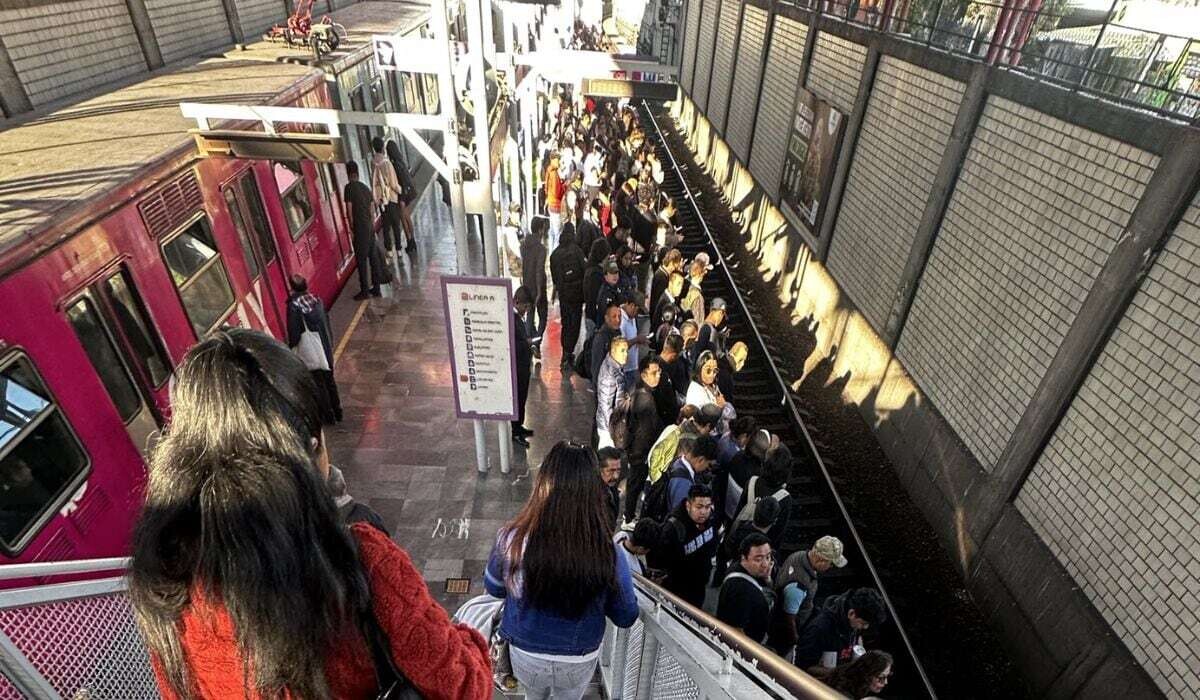
From the early hours of the day, users began reporting slow train movement, longer waiting times, and congestion at key stations, especially on high-demand lines.
According to estimates, around 2 million people could be affected if a reduction in train runs is confirmed throughout the day.
However, there is no confirmed strike at the moment, only a warning from the Metro union that has created uncertainty among users about potential operational disruptions.
The Metro is one of the main means of transport in the capital, so any alteration in its service directly affects the mobility of workers, students, and the general public.
Why is a possible strike being warned about?
The strike responds to a series of demands from the Metro union, among which stand out:
• Lack of maintenance in trains and facilities • Insufficiency of resources to operate the system • Demand for better labor and salary conditions • Attention to structural failures in the network
Workers have stated that they will continue with the protests until they receive a response from the authorities, and have even warned that they could intensify them if there are no agreements.
Recommendations for users
In this context, it is recommended for Mexico City residents to:
• Leave with more advance notice • Stay informed through official channels • Consider alternatives such as Metrobús, RTP, or private transport
Authorities have recommended that the population leave early and consider alternative routes in case of possible complications in their travels.
Which lines are the most affected?
Although there is no total suspension of service, the union announced the implementation of a "minimum service" throughout the network, which directly impacts the frequency of trains. However, pending this, service continues to experience failures.
According to reports:
• Lines like 1, 2, 3, 7, 8, 9, B, and 12 are operating with fewer trains. • On others like 4, 5, 6, and A, the reduction is even greater.
This has generated intervals of up to 20 minutes between trains, increasing saturation on platforms and in cars.
Additionally, users have reported significant disruptions on lines like 1, 3, 7, and 8, where the movement is slower than usual.
Will there be a strike in the Metro?
The impact of an eventual suspension or reduction in service would not be minor.